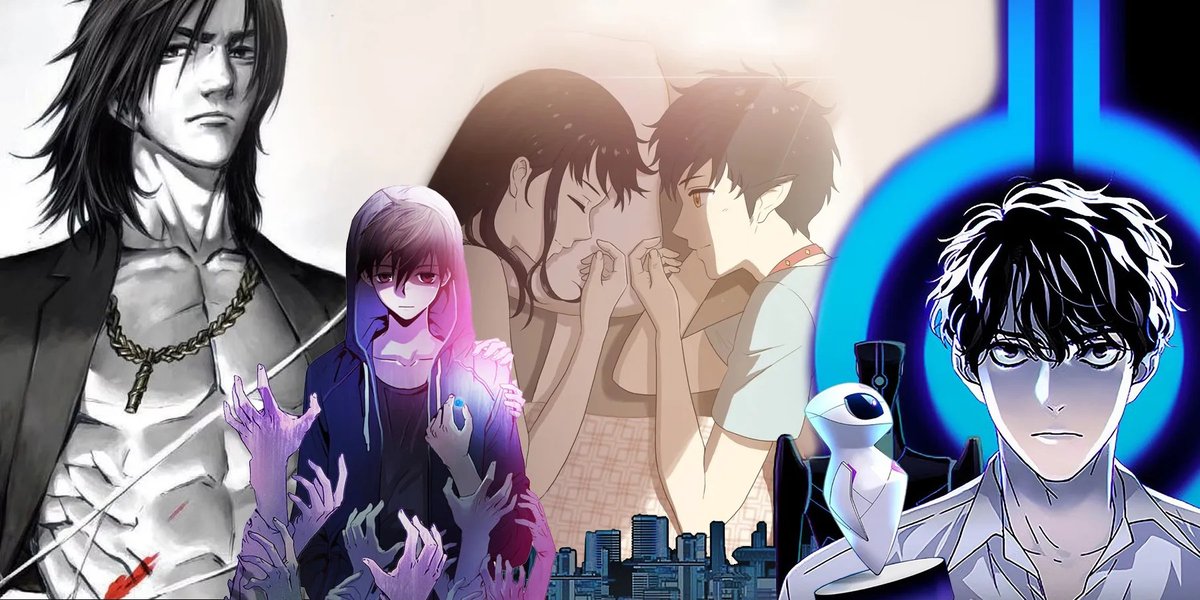
The world of animation is a vast, vibrant canvas, constantly drawing inspiration from incredible stories across diverse mediums. While Japanese manga has long been the undisputed champion, fueling countless anime series, a new, equally compelling force has rapidly emerged: Manhwa & Webtoons, the dynamic source material for the burgeoning world of K-Anime. These Korean comics, particularly their digital, vertically-scrolling webtoon format, are no longer niche discoveries; they are global phenomena, captivating millions and serving as the foundational bedrock for a wave of breathtaking animated adaptations. If you've recently been captivated by the thrilling action of Solo Leveling or the intricate fantasy of Tower of God, you've already experienced the power of this exciting trend.
At a Glance: Key Takeaways on Manhwa & Webtoon Adaptations
- Growing Influence: Manhwa (Korean comics) and especially Webtoons (digital, vertical-scroll comics) are rapidly becoming a primary source for animated series, often dubbed "K-Anime."
- Global Reach: Platforms like WEBTOON, Naver, and Kakao have made these stories accessible worldwide, creating massive pre-existing fanbases for adaptations.
- Unique Format: Webtoons' vertical scroll and full-color art present distinct creative challenges and opportunities for animators compared to traditional manga.
- Strategic Partnerships: Major studios and streaming giants (e.g., Warner Bros., Crunchyroll, Netflix) are heavily investing in webtoon adaptations, signaling long-term commitment.
- Diverse Genres: From action-fantasy to romance, horror, and slice-of-life, webtoons offer an incredibly broad spectrum of stories, appealing to varied audiences.
- Media Synergy: Adaptations boost the popularity of the original webtoons, and vice versa, creating a robust cross-media ecosystem.
- Quality Evolution: While early adaptations faced some animation critiques, the industry is rapidly maturing, with increasing production values and ambition.
Beyond Manga: Understanding Animation's Diverse Story Wellsprings
For decades, the term "anime source material" was almost synonymous with "manga." And for good reason: the symbiotic relationship between Japanese comics and animated series is legendary. Most anime you've ever watched, especially on television, began its life as a manga, light novel, or even a video game. This isn't just a creative choice; it's a strategic one. An existing, popular source material comes with a built-in audience, reducing financial risk, streamlining pre-production with established character designs and story arcs, and fueling a powerful cross-media promotional engine.
But the creative wellspring for animation is always expanding. Beyond traditional Japanese manga, light novels (prose novels with manga-style illustrations), and video games (including visual novels), the global landscape has shifted dramatically. Now, the vibrant narratives emerging from South Korea's digital comic scene—manhwa and webtoons—are taking center stage, creating a new and exciting category of animation. This growing phenomenon offers a fresh perspective on what animation can be and where its next big hits will come from. For a deeper dive into this broader trend, you might want to explore All about Korean animes.
Manhwa and Webtoons: A Primer on Korean Comics
Before we dive into their animated glory, let's clarify what we mean by manhwa and webtoons.
Manhwa (만화): The Umbrella Term for Korean Comics
Simply put, "manhwa" is the Korean equivalent of "manga" (Japanese comics) or "manhua" (Chinese comics). It's the general term for comics originating from Korea. Like manga, manhwa can come in various formats, from physical print volumes to serialized chapters. Historically, manhwa has shared many stylistic similarities with manga due to shared cultural influences, though it has always maintained its own distinct flavor and storytelling traditions.
Webtoons (웹툰): The Digital Revolution
Here's where things get really interesting and define the current global trend. "Webtoon" is a portmanteau of "web" and "cartoon," and it refers specifically to digital comics designed for online consumption, predominantly on smartphones. What makes webtoons unique?
- Vertical Scroll Format: Unlike traditional comics read page by page or panel by panel horizontally, webtoons are designed to be scrolled vertically. This creates a distinct reading experience, often with spacious panels and fluid transitions that guide the reader's eye downwards.
- Full Color: The vast majority of webtoons are produced in full color, a stark contrast to the black-and-white tradition of most manga. This adds a visual richness and immediacy.
- Digital-First Production: Webtoons are conceived and created for digital platforms, allowing for a different approach to pacing, panel layout, and even sound effects or animations in some cases.
- Weekly Serialization: Like many print comics, webtoons are typically serialized weekly, building anticipation and engagement over time.
Platforms like Naver Webtoon (known internationally as WEBTOON), KakaoPage, and Lezhin Comics have become powerhouses, allowing creators to publish directly and reach a massive global audience. This accessibility has fueled an explosion of creativity and a diverse range of genres, from high-fantasy epics and intense action series to heartwarming romances and psychological thrillers.
The Unstoppable Rise of K-Anime from Webtoons
The transition of manhwa and webtoons into animated series isn't a sudden explosion, but rather the culmination of years of groundwork. It's a trend that gained significant momentum in the late 2010s and has accelerated rapidly into the 2020s, firmly establishing Korean content as a major player in global animation.
Global Platforms Paved the Way
The digital nature of webtoons made them inherently global from the start. Platforms like WEBTOON built massive international fanbases long before animated adaptations were widely considered. Readers in the U.S., Europe, and Southeast Asia were already devouring series like Tower of God, God of High School, and True Beauty years before their animated debuts. This pre-existing, dedicated audience significantly de-risked adaptations, offering a strong indicator of potential success.
Early Successes Ignited the Spark
The turning point truly began with a wave of major adaptations. Crunchyroll, a leading anime streaming service, played a pivotal role by partnering with WEBTOON to adapt several flagship titles.
- Tower of God (2020): This epic fantasy series was one of the first major webtoon adaptations to make a splash. Its intricate world-building and compelling characters immediately garnered attention.
- The God of High School (2020): Known for its incredibly fluid and dynamic fight choreography, this action-packed series showcased the visual potential of webtoons in animation.
- Noblesse (2020): A long-running vampire fantasy, its adaptation further solidified the presence of Korean stories in the anime landscape.
- Solo Leveling (2024): Arguably the biggest breakout hit, Solo Leveling transcended even the pre-existing webtoon fandom, becoming a global sensation. Its stunning animation, gripping story, and iconic protagonist proved that webtoon adaptations could compete with the very best.
These early successes demonstrated that Korean stories could not only attract but also dominate the global animation viewership, proving that the unique storytelling and art styles of webtoons translated exceptionally well to the screen.
Strategic Partnerships and Investment
The burgeoning popularity of webtoon adaptations hasn't gone unnoticed by industry giants. Major players are now actively investing and forging partnerships:
- Crunchyroll: Continues to be a key player, securing streaming rights and often co-producing many adaptations.
- Netflix: With its strong presence in K-Dramas, Netflix has also started investing in K-Anime, seeing the immense potential in Korean stories.
- Warner Bros. and WEBTOON: A significant development is the collaboration between Warner Bros. and WEBTOON, aiming to adapt more than 10 webtoon series. This large-scale commitment from a Hollywood powerhouse signals a long-term strategy and substantial investment in the format.
- Korean Studios: Simultaneously, Korean animation studios are stepping up, producing high-quality adaptations and fostering a robust domestic animation industry. Collaborations between Japanese and Korean studios are also becoming more common, blending expertise and resources.
This strategic alignment of creators, platforms, and investors is creating a fertile ground for an unprecedented number of webtoon-to-animation projects, solidifying their position as a central pillar of future animated entertainment.
Navigating the Challenges of Bringing Webtoons to the Screen
Translating a story from one medium to another is always a complex endeavor, and webtoons present their own unique set of hurdles and opportunities for animators. It's a delicate dance between preserving the original spirit and adapting for the demands of motion.
From Static Scroll to Dynamic Motion: The Visual Translation
The most striking difference when adapting a webtoon is its vertical-scroll format. Webtoon artists often use this format to create deliberate pacing, build suspense with empty space, or execute dramatic reveals as the reader scrolls down. Animators must reinterpret this:
- Panel Layout to Cinematography: How do you turn a series of vertically stacked panels into dynamic camera movements, cuts, and shot compositions suitable for a horizontal screen? This requires artistic interpretation regarding movement, timing, and cinematic flow.
- Color Palette and Style: Webtoons are inherently full-color, giving animators a strong visual foundation. However, they must decide how to translate distinct art styles, character designs, and color palettes into animation while maintaining consistency and appeal.
- Visual Storytelling: Some webtoons rely on intricate detail in static images or clever use of negative space. Animators have to find equivalent animated techniques—be it subtle character expressions, environmental details, or specific camera angles—to convey the same emotional weight or narrative beat.
Pacing Perfection: Condensing Long Narratives
Many popular webtoons are incredibly long-running, with hundreds of chapters. Adapting such extensive material into a limited number of anime episodes (typically 12 or 24 per season) necessitates difficult choices:
- Condensation: Key arcs and plot points must be selected, while less crucial subplots or minor characters might be trimmed or combined. This can be challenging for creators who want to honor the source and for fans who expect every detail.
- Filler (Less Common): Unlike some long-running manga adaptations that resort to "filler" episodes to avoid catching up to the source, webtoon adaptations generally face the opposite challenge: how to fit everything in. However, if an anime starts to outpace an ongoing webtoon, original anime content might still be introduced, leading to divergent storylines.
Fidelity vs. Creative Freedom: Fan Expectations and Reinterpretation
Fans of popular webtoons often have strong expectations for how their beloved stories and characters will be portrayed. This leads to a constant tension in adaptations:
- Strict Adherence: Some adaptations aim for near panel-for-panel fidelity, mirroring the source material as closely as possible. This approach often pleases purist fans.
- Creative Reinterpretation: Others take more liberties, perhaps adding original scenes, changing character motivations slightly, or even altering endings if the source is ongoing or incomplete. This can offer fresh perspectives but also risks alienating some fans.
- Casting and Voice Acting: The choice of voice actors is paramount. When a character's voice doesn't match a fan's internal perception, it can lead to strong reactions, regardless of the vocal talent.
The "Read the Webtoon" Phenomenon: Addressing Adaptation Critiques
Just as with manga, it's common to hear the phrase "Read the Webtoon" circulate among fans when an adaptation is perceived to fall short. This often happens when:
- Missing Details: Subtleties, internal monologues, or world-building elements from the webtoon are omitted in the anime.
- Pacing Issues: The anime either rushes through important moments or drags during less impactful ones.
- Animation Quality: While many productions are top-tier, some early or smaller adaptations have faced criticism for inconsistent animation quality or budgetary constraints affecting the visual impact. For example, early seasons of The Beginning After the End and A Returner's Magic Should Be Special faced such critiques, though later seasons promise improvements.
These discussions highlight the passionate engagement of webtoon fans and the high bar set for animated adaptations, pushing studios to strive for ever-higher quality and fidelity.
Upcoming K-Anime Adaptations: A Flood of New Stories
The pipeline for webtoon adaptations is overflowing, with an exciting slate of projects announced and in various stages of production. This shows the long-term commitment of studios and streaming platforms to this rich source of storytelling. Here's a glimpse at some of the highly anticipated K-Anime coming your way:
Fantasy & Action Epics
- The Beginning After the End: Following criticisms of its first season's animation, the second season (scheduled for April 2026) promises significant improvements. It continues the epic journey of King Grey, reincarnated as Arthur Leywin, in a magical new world.
- Hero Killer: From Animation Digital Network (ADN) in France, this dark and violent webtoon follows Ihwa's quest for revenge against a corrupt hero society. With over 100 million global views, it's a highly anticipated action series.
- A Returner's Magic Should Be Special: After its 2023 anime debut, a second season (expected 2026 on Crunchyroll) is hoped to enhance the animation quality for this popular regression fantasy.
- Dark Moon: The Lost Altar: A gothic urban fantasy featuring fictionalized versions of K-pop group ENHYPEN members, set to release on January 9, 2026, as part of Crunchyroll's winter lineup.
- Terror Man: Produced by Dr. Movie and Studio Bazooka, this manhwa follows Min Jungwoo, who uses his ability to foresee disasters to save people by posing as a terrorist. Slated for January 2026.
- Tomb Raider King: Often compared to Solo Leveling, this series by REDICE and Studio EKK sees Jooheon Seo returning 15 years to the past to become the ultimate Tomb Raider King, due in 2026.
- Gosu: Toei Animation is collaborating with Studio N (Korea) to adapt this murim (martial arts fantasy) manhwa about Gang Yong's quest for vengeance. Release window is currently unconfirmed.
- Eleceed: From the writer of Noblesse and the illustrator of Girls of the Wild's, this series about Jiwoo's super speed and Kayden Break is slated for 2026 by DandeLion Animation Studio.
- The Stellar Swordmaster: A fantasy tale by Warner about Vlad, an orphan rising from poverty to become a legendary swordmaster.
- Hardcore Leveling Warrior: Warner is also adapting this virtual reality game-themed webtoon about Ethan Gong, the strongest player who must regain his lost powers.
- Latna Saga: Studio Pierrot and Red Dog Curious House (South Korea) began production in 2024 on this "hellish" isekai, though a release might be further off due to Studio Pierrot's busy schedule.
- Omniscient Reader's Viewpoint: Adapted by Aniplex and Crunchyroll, this meta-narrative follows Kim Dokja as his favorite web novel suddenly becomes reality. Studio and release window for 2024 are still unconfirmed.
Romance & Slice-of-Life Gems
- Your Letter: A poignant Korean animated film about a middle schooler finding mysterious letters. Korean premiere in October 2025, with North American theatrical release in early 2026. Praised for its emotional narrative.
- True Beauty: A hugely successful Korean anime adaptation, Season 2 was announced for January 4, 2025, and will stream on Crunchyroll. It explores the story of Jugyeong, Seonjun, and Suho, while critically examining beauty standards.
- Down to Earth: Another collaboration between WEBTOON and Warner, this popular slow-burn romance features a man's encounter with an alien girl, known for its distinctive, colorful art style.
- Season of Blossom: A webtoon romance about the uncertainties of youth and first love. While a Korean studio XTorm adapted 8 episodes in 2022, its future production status is currently unclear after a 2024 announcement.
Thrillers & Unique Concepts
- The Boxer: A highly intense sports manhwa about a prodigious young boxer named Yu, promising compelling animation. An announcement for 2025 was delayed; Studio Xtorm hasn't provided further updates.
- Teenage Mercenary: This adaptation balances family bonds, comedy, and intense fights as former mercenary Ijin Yu attempts to live a normal high school life, only to be constantly pulled into dangerous situations.
This extensive list, with projects spanning various genres and involving major international and Korean studios, underscores the growing confidence in webtoons as a wellspring for captivating animated content. The world of K-Anime is not just arriving; it's rapidly expanding and evolving.
The Broader Impact: K-Anime's Place in the Global Entertainment Mix
The rise of manhwa and webtoon adaptations isn't just about new shows to watch; it's a significant development in the global entertainment industry. It highlights several key trends:
- Diversification of Animation: It proves that compelling animated stories can emerge from anywhere, challenging the long-standing dominance of Japanese anime and offering diverse cultural perspectives.
- Cross-Media Synergy: These adaptations create a powerful "media mix." The anime boosts readership of the original webtoon, and existing webtoon fans flock to the anime, creating a virtuous cycle of promotion and revenue for both creators and platforms. This strengthens the entire ecosystem of Korean creative content.
- Global Cultural Exchange: Alongside K-Pop and K-Dramas, K-Anime is another powerful vehicle for Korean culture to reach international audiences, fostering greater appreciation for its unique storytelling, art, and values.
- Innovation in Storytelling: The unique format of webtoons, with its vertical scroll and full-color design, is influencing how animated stories are conceived and produced, potentially pushing creative boundaries in animation itself.
As the quality of animation continues to improve and more resources are poured into these projects, K-Anime is poised to become an indispensable part of the global animation landscape, standing proudly alongside its Japanese counterparts.
Your Next Dive: Exploring the World of Webtoons and K-Anime
If you've been impressed by the animated adaptations, remember that the source material often offers an even deeper, more detailed, and sometimes different experience. Many fans advocate for reading the original webtoon to catch nuances, explore omitted subplots, or simply enjoy the creator's initial vision.
The journey of manhwa and webtoons into the animated realm is just beginning, yet it has already delivered groundbreaking stories and captivated a worldwide audience. Whether you're a seasoned anime fan, a casual viewer, or simply curious about the next big thing in entertainment, the world of K-Anime powered by webtoons offers an unparalleled depth of creativity, innovation, and thrilling narratives. So, pick an upcoming adaptation, dive into its webtoon origin, and prepare to be immersed in the vibrant future of animation.